

Vinyl Shutters: The Pros & Cons
If you have been planning to buy shutters and looking into vinyl shutters pros and cons, you may feel overwhelmed by the available options. There’s a lot to choose from, from differing styles to colours to materials.
In this blog, we’re looking deep into vinyl shutters, what to love and what to look out for.
What Are Vinyl Shutters?
“Vinyl shutters” is the phrase most people type, and it is worth knowing that it covers two very different plastics that behave nothing like each other.
At the bottom of the market sits cheap vinyl, sometimes labelled PVC. It is soft, flexible and inexpensive to extrude, and it starts to soften at temperatures a south-facing window reaches easily on a sunny day. That is why you see louvres bowing in the middle two summers after they were fitted. We have written about what those warped louvres are really telling you if you want the detail.
At the top of the plastic category sits ABS (acrylonitrile butadiene styrene), a completely different polymer. It is the plastic used for Lego bricks, motorcycle helmets and car dashboards that sit in summer car parks for years without deforming. It is harder, far more dimensionally stable, and more expensive to manufacture, which is why you will not find it at the bargain end of the market.
One correction worth making early: the Java range we fit is ABS, not vinyl and not PVC. People often find it while searching for vinyl shutters, which is why it is covered here, but it belongs in the category above rather than the one below. It is one of our premium ranges, not one of our cheapest.
That material makes Java an excellent choice for areas with high condensation or humidity, like kitchens and bathrooms (and little ones’ bedrooms in case of stains and splashes). It offers a finish that closely resembles wood without sacrificing durability or moisture resistance.
In terms of customisation, Java shutters offer a wide array of options. They come in twelve popular shades, allowing you to select a colour that complements your interior design. A custom colour option is also available, enabling you to achieve a truly personalised look!
So now you know what to expect from them; what are vinyl shutters pros and cons?

**Different Styles of Vinyl Shutters: Pros & Cons **
There are many pros to vinyl shutters, since they are available in various styles to suit different window types and design preferences. Let’s explore some of the common styles and what you need to know about each…
Bay Window Shutters
Bay window shutters are custom-made to fit the unique shape of bay windows. They enhance the architectural appeal of the window while providing excellent light control and privacy. With vinyl shutters, you can achieve a seamless and elegant look, but only if you have bay windows.
Tier-on-Tier Shutters
Tier-on-tier shutters consist of two sets of independently operable panels, allowing you to open the top and bottom sections separately. This design offers enhanced flexibility in light control and privacy and is a popular choice.
Panel Shutters
Panel shutters feature a classic design with panels that open and close as a single unit. They offer simplicity and elegance, adding a timeless touch to any room. With panel shutters, you can enjoy the benefits of easy operation, but it’s more of an all-or-nothing approach to light control. It’s worth noting that this style is only available in hardwood.
Cafe Style Shutters
Cafe-style shutters cover the lower portion of the window, providing privacy at eye level while allowing natural light to enter from the top. They create a cosy and intimate atmosphere in your space though they will not darken the room the way full height panels do!
Full Height Shutters
Full-height shutters cover the entire height of your window, providing a sleek and uniform appearance. They offer adjustable louvres that enable enhanced light control and privacy. With vinyl full-height shutters, the whole window is covered, so you will benefit from a significantly darkened room.
Vinyl Shutters: Pros To Know
Although you may now know your preferred style, having all the information is still important. Here are the key benefits of vinyl shutters …
Durability, and it depends entirely on the grade. A dense, well-made plastic shutter is genuinely durable: resistant to chipping, and stable enough to hold its shape for years. A thin, soft vinyl profile is not. We have written separately about heat warping in cheap vinyl shutters, which is the failure we see most often, and it is a grade problem rather than something inherent to plastic.
Water, and the distinction that matters. PVC as a raw material does not absorb water. That much is true, and it is the defensible part of the claim. But a shutter panel is an assembly of stiles, rails and louvres, and how well it keeps water out depends on how well it is made and sealed, not on the polymer name. A thin extruded profile with poorly sealed joints can take in humid air, and the moisture that condenses inside has nowhere to drain. We set the whole mechanism out in when ‘waterproof’ shutters aren’t waterproof. Read it before buying anything sold on that word alone.
Low Maintenance. Vinyl shutters are incredibly easy to maintain. They require simple cleaning with a damp cloth or mild cleaning solution to keep them looking their best. Unlike wood shutters, vinyl shutters do not need to be repainted or refinished over time.
Lightweight. Vinyl shutters are lightweight compared to their wood counterparts. This makes them easy to operate, particularly for larger windows or when opening and closing shutters frequently.
Price. Cheap vinyl is the least expensive way into shutters, and that is genuinely its main attraction. Premium ABS is a different proposition: Java is one of the dearest ranges we sell, because the material costs more to make. If budget is the deciding factor, say so at your survey and we will show you where the entry point actually is.
Colour Options. Vinyl shutters offer a multitude of colour options to suit your preferences. You have the freedom to select from a diverse range of colours, including both standard choices and the option to request custom colours.
Any Cons?
While vinyl shutters offer numerous benefits, it’s important to consider potential drawbacks:
If you prefer the natural appearance and texture of real wood, a plastic shutter may not provide the look and feel you want. Java comes closest, and it is genuinely difficult to distinguish from painted timber at normal viewing distance, but it is not wood.
Vinyl shutters are made from plastic, which raises environmental concerns for those who consider the environmental impact of their investments. Unlike natural wood, vinyl is not a renewable resource. If sustainability is a priority for you, exploring alternative materials like responsibly sourced wood shutters may be worth considering.
Unfortunately, the lower-cost vinyl shutters might not give you the same level of quality as options like Java. But you can avoid this concern by choosing reputable manufacturers and suppliers.
While vinyl shutters provide some level of insulation, they may not offer the same thermal or soundproofing properties as shutters made of hardwood. Considering alternative options may be beneficial if energy efficiency or noise reduction is your priority.
Are Vinyl Shutters Right For You?
If you’re looking into the vinyl shutters pros, you probably already have a vision in mind for your windows. Determining if vinyl shutters are the right choice for you depends on various factors.
Carefully consider your budget. Cheap vinyl is the most affordable route into shutters, though it is not one we fit. Premium ABS sits at the other end of the plastic category on both quality and price.
Where do you plan to have your shutters installed? Vinyl shutters excel in areas where moisture or humidity is a concern, such as bathrooms, kitchens, or utility rooms. Their waterproof nature ensures they will withstand these conditions without damage.
And finally, what colours and look do you want from your shutters? If you have a specific colour scheme in mind for your shutters, vinyl can be an excellent choice because you have the freedom to design your decor to your heart’s content.
Frequently Asked Questions About Vinyl Shutters
Are vinyl shutters any good?
It depends entirely on which plastic you mean. Cheap vinyl, sometimes sold as PVC, is inexpensive but softens in direct sun and bows over time, which is why we do not fit it. Premium ABS is a different material altogether: durable, moisture resistant, dimensionally stable and available in a wide range of colours. Our Java range is ABS, and it closely replicates the appearance of real wood.
How long do vinyl shutters last?
That depends on the grade. Cheap vinyl can bow and warp within a couple of summers on a sunny window. Premium ABS, which is what our Java range is made from, resists chipping, warping and discolouration and holds its appearance for many years with minimal maintenance.
Are vinyl shutters waterproof?
PVC as a raw material does not absorb water, so in that narrow sense the claim holds. A shutter panel is not a single piece of PVC though. It is an assembly, and whether it keeps water out depends on the grade of the profile and how well every joint and end cap is sealed. A well made, dense plastic shutter copes with a bathroom perfectly well. A thin extruded profile with poor joints can admit humid air that condenses inside and cannot drain.
Can you get vinyl shutters in different colours?
Vinyl shutters are available in a wide range of colours. The Java range, for example, comes in twelve popular shades, and a custom colour option is also available for a truly personalised look.
Are vinyl shutters cheaper than wood shutters?
Cheap vinyl is generally cheaper than hardwood, which is its main attraction. Premium ABS is not: our Java ABS range is one of the dearest we sell, because the material costs more to make. Any plastic shutter costs less to maintain than timber, since it does not need repainting or refinishing.
Are vinyl shutters good for bathrooms?
A plastic shutter is usually the right choice for a bathroom, because timber is not. Which plastic matters. We fit ABS ranges such as Java for wet rooms and bathrooms, and dense solid faux wood such as the Decora Hampton range elsewhere. What we would avoid is the thin hollow vinyl sold cheaply online, where the joints and end caps are the weak point rather than the material itself.
Vinyl Shutters Pros & Cons Weighed Up…
Vinyl shutters, especially the high-quality Java range, offer numerous advantages, making them a popular choice for homeowners.
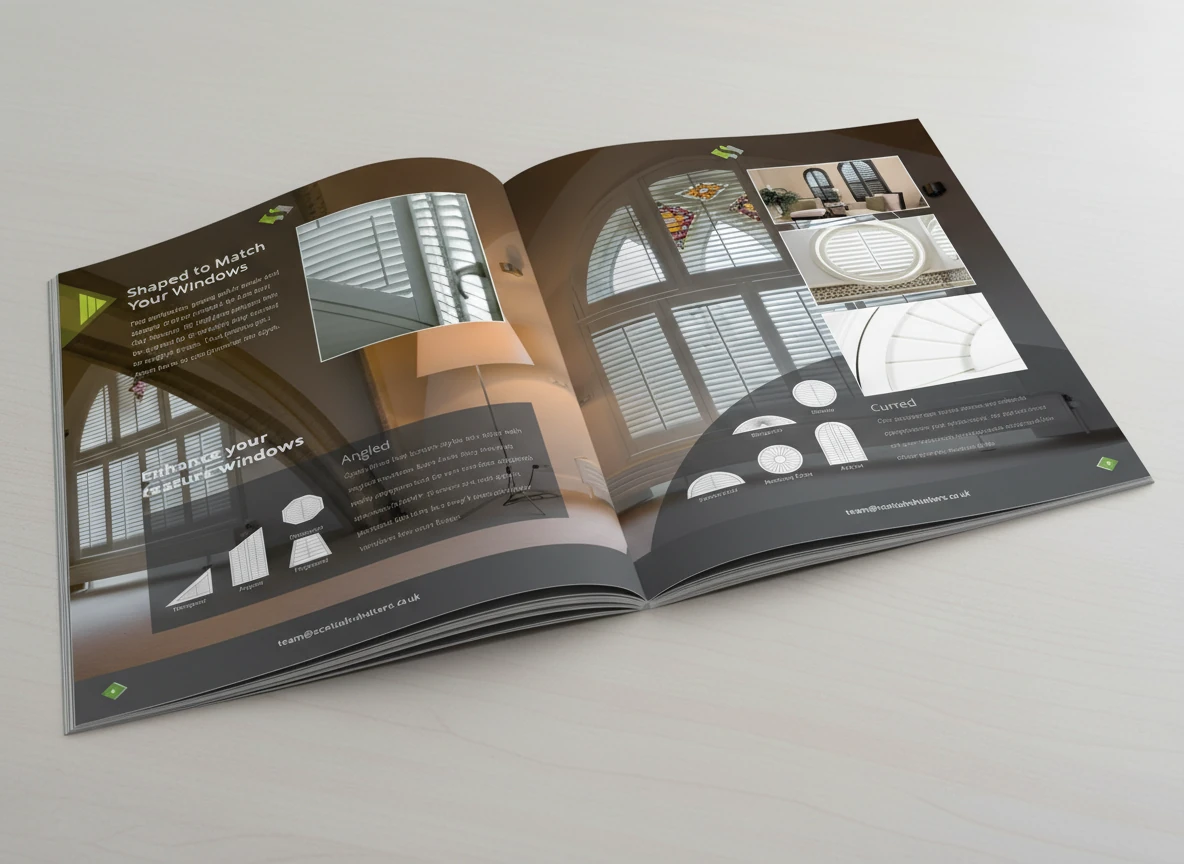
If you need assistance selecting the right size, style, or colour, our team is happy to help. Download our brochure to explore the options and discover the perfect vinyl shutters for your home.
Inspired by what you've read?
Request a brochure or arrange a no obligation consultation.