

Open by Day, Close at Dusk: Shading in Winter
Most people think of blinds and shutters as a summer product. They keep the sun off the sofa, the glare off the screen and the heat out of the conservatory.
In a Scottish winter they have a second job, and it’s easy to miss. Used at the right times of day, the blinds and shutters you already have can help reduce the heat your home loses through its windows. Used at the wrong times, they can quietly work against you.
The habit is simple: open them when the sun’s out, close them as soon as it sets.
Why this message, and why now
Every year the European Solar-Shading Organisation runs Global Shading Day on 21 March, and its Winter Toolkit for 2026 is about exactly this habit. The British Blind and Shutter Association has shared it with its members.
We think it’s good advice, so we’ve set it out below in our own words, with the reasons behind it.
By day: let the winter sun in
Even in November, a sunny day still sends real warmth through your glass. The sun sits low in the sky at this time of year, so it reaches further into a room than it does in summer.
If your blinds are down or your shutter louvres are closed, some of that warmth is caught by the covering instead of reaching the room. So on a bright day, open them up. Raise the blinds, fold back the shutter panels or tilt the louvres open, particularly on windows that face south, east or west and catch the sun for part of the day.
In winter you usually want the sun in, so make the most of it.
At dusk: close them and keep the warmth in
As soon as the sun goes down, the job reverses. Your windows are now the coldest surfaces in the room, and the warmth you’ve paid to heat starts to leave through the glass.
Closing your blinds and shutters at dusk traps a layer of still air between the covering and the window. That layer slows the heat escaping from the room. It’s the same principle as a duvet, and it’s why a well fitted covering helps more than a loose one: gaps around the edges let the air circulate and carry the benefit away.
There’s real evidence for this. Laboratory testing at the University of Salford, commissioned by the BBSA, measured how much several window coverings reduced heat loss at the glass on a modern double glazed window. We go through those results, and what they do and don’t tell you, in our article Do Shutters Really Cut Heat Loss by 62%?
The key point for this habit is that a covering only helps when it’s closed. An open shutter or a raised blind does little or nothing for heat loss. The benefit arrives on winter evenings and overnight, and it’s gone the moment they’re open again.
Which products help most
Some coverings are better at holding that layer of air than others.
- Cellular blinds, such as Duette®, have a honeycomb structure that traps air inside the fabric itself as well as against the glass. In the Salford testing, a honeycomb blind fitted to the glass did well, though results apply only to the products and fitting tested.
- Interior shutters work well when they’re properly fitted and fully closed, panels shut and louvres closed. Solid panel shutters do more than louvred ones, because a closed louvre still leaves a joint line.
- Roller and other blinds help too, though a loose hanging blind with gaps at the sides holds less still air than a fitted one.
Whatever you have, the habit matters more than the product. The best covering in the world does nothing if it’s open on a January evening.
Let the blinds do it for you
If remembering twice a day sounds like a chore, motorised blinds can take it off your hands. Luxaflex® PowerView® blinds can be scheduled by time of day, or set to follow your local sunrise and sunset, so they open in the morning and close at dusk without anyone touching them.
That’s useful in rooms you don’t use much during the day, and in glazed extensions and conservatories, where a large area of glass loses heat quickly once the sun has gone.
A few things to watch
- Condensation. Cold glass and warm, moist air make condensation, especially in bedrooms and kitchens. Closing coverings at dusk can leave the glass colder, so you may see more condensation. Wipe it away when you see it, as the BBSA’s guidance notes that condensation left on a shutter can damage it. Opening your coverings in the morning also lets the room air.
- Cellular blinds like to be raised. The BBSA’s own guidance for pleated and cellular blinds is to pull them up for a few hours each week, as this helps them keep their pleated shape. Opening them in daylight should help with that.
- Blinds very close to the glass. BBSA guidance on thermal breakage lists blinds hung tight against the glass as one of several factors that can add to stress in a pane, and notes that low sun on cold days, most often in spring and autumn, adds to it. Breakage is rare, and we explain why in our guide to window film and glazing.
The short version
- On sunny winter days, open your blinds and shutters and let the sun’s warmth in.
- At dusk, close them to help reduce the heat lost through your windows.
- A covering only helps with heat loss when it’s closed, and it helps more when it fits well.
- In laboratory testing, a honeycomb blind fitted to the glass and a closed interior shutter both did well.
- Luxaflex PowerView blinds can follow sunrise and sunset for you.
If you’d like to talk about which windows in your home would benefit most, send us a photo of the window with some rough sizes and we’ll give you an indication of cost, or request a brochure. We’ll tell you plainly where a covering will help, and where it won’t make much difference.
Frequently asked questions
Should I keep my blinds closed in winter to keep the heat in? Not all day. On a sunny day, open them so the low winter sun can help warm the room. Close them as soon as it gets dark, when the window becomes the coldest surface in the room and the covering can help reduce the heat escaping.
Do blinds and shutters really help reduce heat loss? They can, when they’re closed. Laboratory testing at the University of Salford, commissioned by the British Blind and Shutter Association, measured a reduction in heat loss at the glass for every covering tested on a modern double glazed window. The benefit depends on the product, how well it fits and the glazing behind it.
Which window blinds are best for keeping a room warm? Cellular blinds are a good choice, because their honeycomb structure traps air within the fabric as well as against the glass. In the Salford testing a honeycomb blind fitted to the glass did well, though results apply only to the products and fitting tested. Well fitted interior shutters, closed fully, also help.
Will closing my blinds lower my heating bill? We can’t promise a saving on your heating bill, and we don’t quote a figure. Windows are only one of the ways a home loses heat, so a reduction at the glass doesn’t mean the same reduction on the whole bill.
Can blinds open and close automatically at sunrise and sunset? Yes. Luxaflex PowerView motorised blinds can be scheduled by time of day or set to follow your local sunrise and sunset. It’s a simple way to keep the habit going in rooms you rarely use during the day.
Inspired by what you've read?
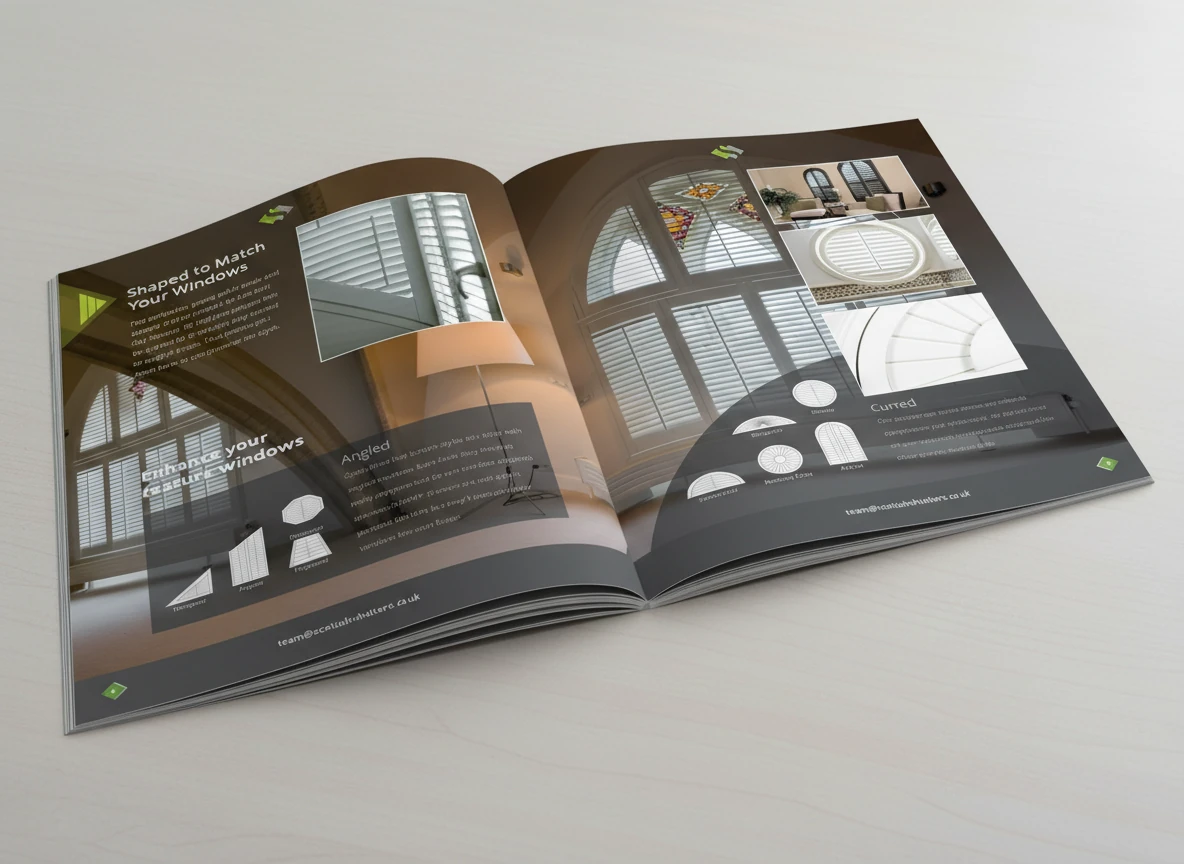
Request a brochure or arrange a consultation.